
Understanding Panchakarma: preparation, treatment, and recovery
An introduction to the stages of Panchakarma and why the treatment must be individually assessed, supervised, and paced.
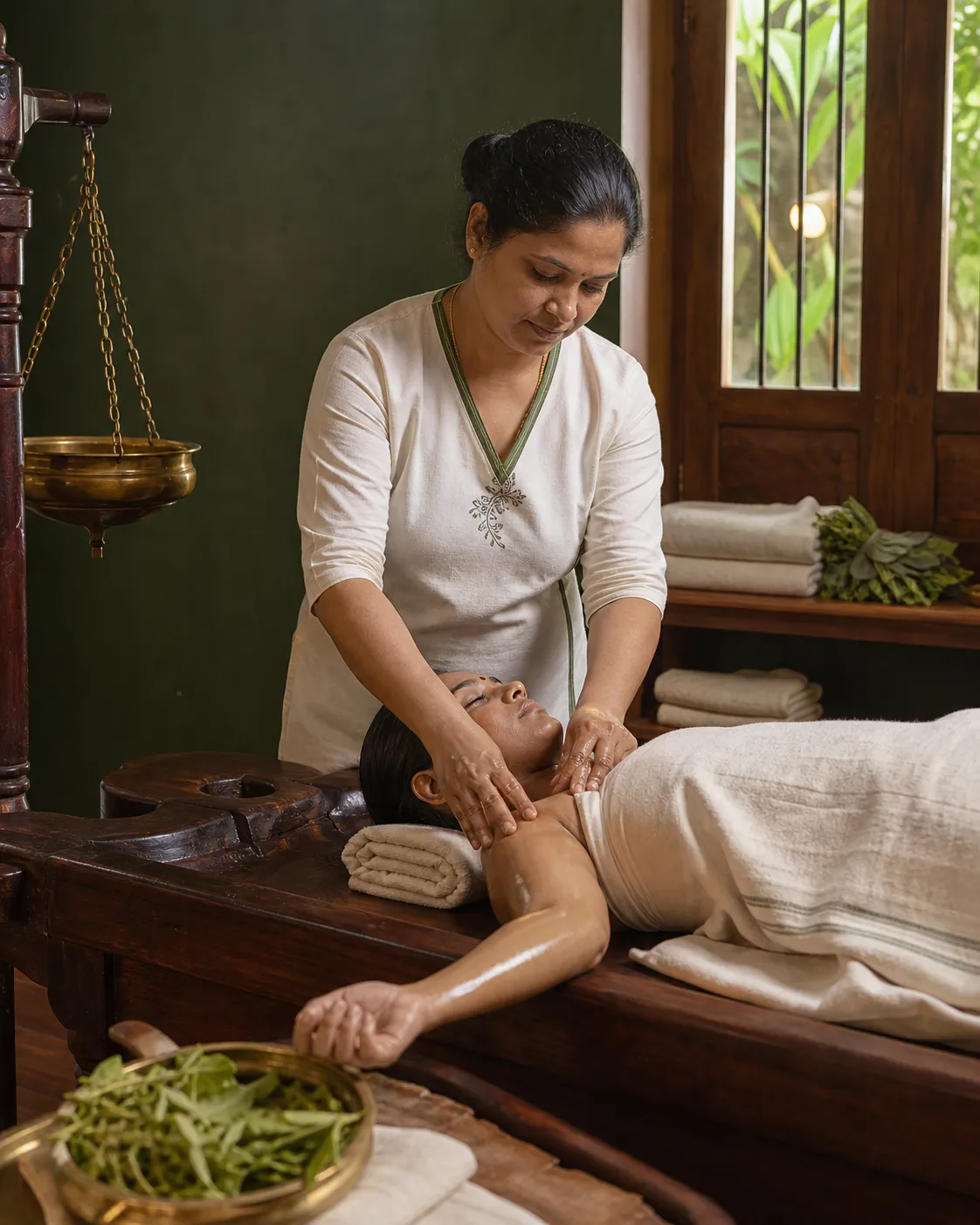
Panchakarma is often described as a cleansing process, but that short description can hide the care and clinical judgement involved. It is not one standard package and it is not appropriate for everyone at every time.
A responsible Panchakarma plan begins with an individual consultation. The practitioner considers your present concern, strength, digestion, medical history, medicines, age, season, and the time available for treatment and recovery.
Preparation comes first
The preparatory stage is intended to ready the body for the main treatment. Depending on the person and the plan, preparation may involve adjustments to meals and routine, internal or external oiling, therapeutic bodywork, or heat-based therapies.
This stage is not something to copy from a general schedule. Its form and duration depend on assessment and on how you respond. Tell your practitioner promptly about discomfort, marked weakness, or any unexpected change.
The main treatment is selected individually
Classical Panchakarma includes different therapeutic procedures. The appropriate procedure, if any, is chosen for a reason; treatments are not interchangeable and more intensive care is not automatically better care.
Supervision matters because timing, preparation, strength, and recovery all affect whether a treatment is suitable. Your practitioner should explain what is proposed, what the day will involve, and what symptoms or concerns should lead you to contact the clinic.
People who are pregnant, acutely unwell, very depleted, or managing particular medical conditions may need a different approach. Share all diagnoses, medicines, allergies, and ongoing medical treatment during assessment.
Recovery is part of the treatment
The period after a main procedure is not an optional extra. Meals, activity, rest, and gradual return to routine may be adjusted while digestion and energy settle.
Allowing enough recovery time can be as important as making time for the treatment itself. Before beginning, ask about:
- the full time commitment, including preparation and recovery
- whether you will need time away from work or travel
- food and routine guidance
- medicines or supplements that must be discussed
- follow-up and signs that require attention
A useful plan is not a fixed programme
Panchakarma should be recommended because it fits the person—not because it is a fashionable reset or a standard seasonal package. For some people, a simpler course of consultation, food and routine support, herbs, or bodywork may be more appropriate.
The safest place to begin is an assessment with a qualified practitioner who can explain the options, limits, and expected pace in plain language.